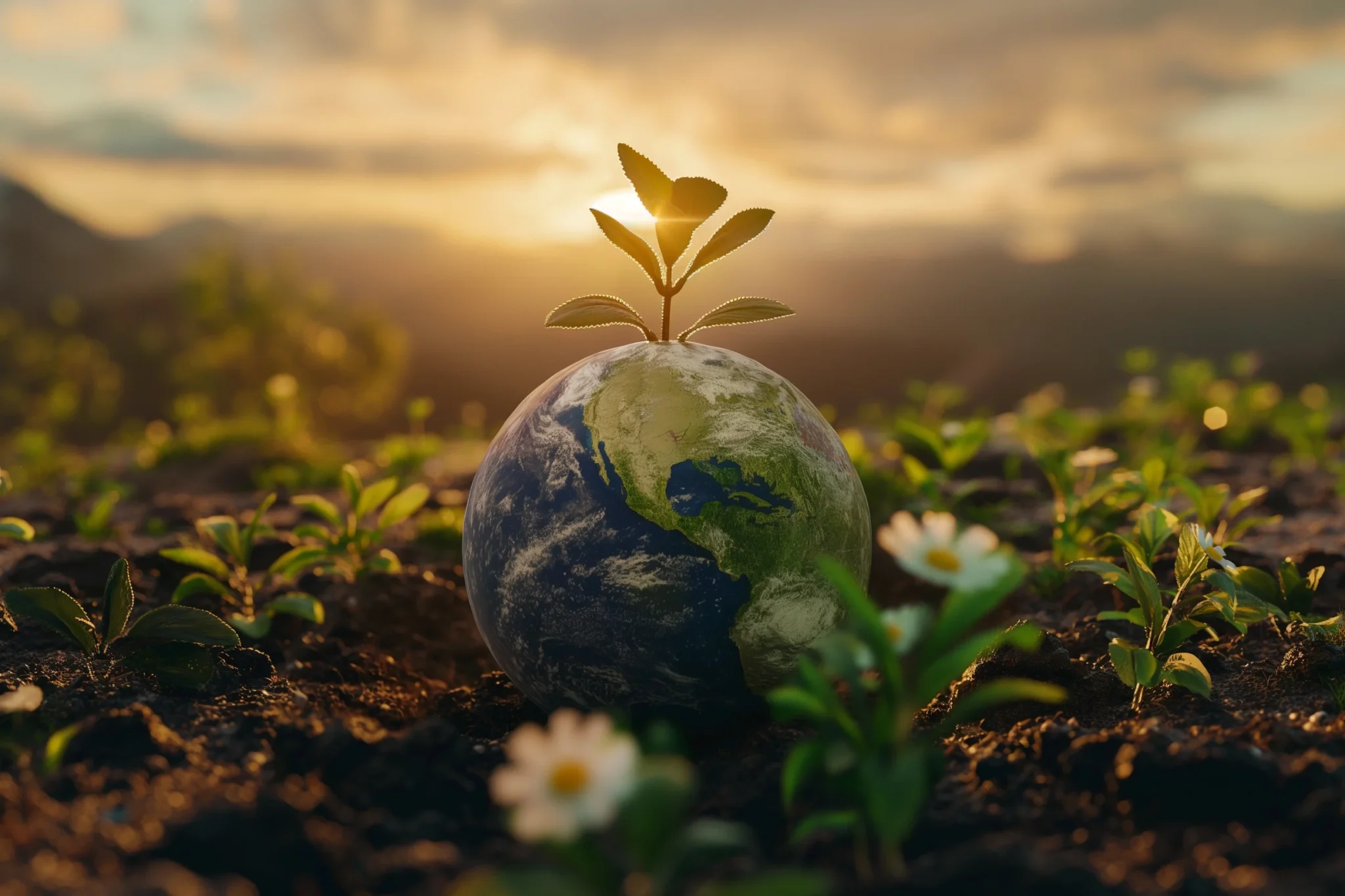
Mother Earth Day on April 22 invites us to pause and remember that caring for the planet is not a single act but an ongoing relationship. Indigenous ways of knowing and being teach that the Earth is a living relative, one we are accountable to through reciprocity, gratitude, and balance. When we honour these teachings, we shift from seeing the land as a resource to understanding it as a teacher, a provider, and a partner. This Earth Day, we can deepen our connection by learning from Indigenous knowledge holders, practicing stewardship rooted in respect, and taking actions that sustain the wellbeing of all our relations.
Guided Nature Walk Focused on Relationality
Take a slow, intentional walk where participants observe plants, animals, water, and soil as relatives rather than objects.
Encourage noticing patterns, interdependence, and the ways the land communicates change.
Seed Planting Using Traditional Ecological Knowledge
Plant native seeds or medicines such as sage, sweetgrass, or cedar (depending on local protocols and permissions).
Discuss the importance of biodiversity, seed sovereignty, and Indigenous agricultural practices.
Hands-On Stewardship: Clean-Up with Purpose
Organize a community clean-up that includes teachings about respecting the land and leaving places better than you found them.
Incorporate a closing gratitude moment to acknowledge the land’s generosity.
Crafting with Natural Materials (Respectfully Gathered)
Create items such as tobacco ties, small bundles, or natural dyes—only with guidance and only using materials gathered respectfully and sustainably.
Discuss the cultural significance of each material.
Reciprocity Pledge Wall
Invite participants to write one commitment they will uphold beyond Earth Day, something that gives back to the land, water, or community.
For more information visit Earth Day – First Nation Early Learning Collaborative Website